Senior Care 101: How to Evaluate Memory Care Facilities
Business Name: BeeHive Homes of Farmington
Address: 400 N Locke Ave, Farmington, NM 87401
Phone: (505) 591-7900
BeeHive Homes of Farmington
Beehive Homes of Farmington assisted living care is ideal for those who value their independence but require help with some of the activities of daily living. Residents enjoy 24-hour support, private bedrooms with baths, medication monitoring, home-cooked meals, housekeeping and laundry services, social activities and outings, and daily physical and mental exercise opportunities. Beehive Homes memory care services accommodates the growing number of seniors affected by memory loss and dementia. Beehive Homes offers respite (short-term) care for your loved one should the need arise. Whether help is needed after a surgery or illness, for vacation coverage, or just a break from the routine, respite care provides you peace of mind for any length of stay.
400 N Locke Ave, Farmington, NM 87401
Business Hours
Picking a memory care community is not simply a real estate choice, it forms the last chapters of someone's life. Households get to this crossroad for numerous factors. A parent has begun wandering at night. A spouse with dementia can no longer be securely lifted after a fall. The primary caregiver is exhausted after months of interrupted sleep. Excellent memory care eases these strains. It stabilizes safety with autonomy, and medical oversight with daily pleasure. The tough part is discriminating in between polished marketing and a location that will genuinely satisfy your loved one's needs.
This guide draws on years of deal with households, nurses, and administrators inside senior care. It concentrates on what to look for, what to ask, and how to evaluate compromises that seldom appear on glossy brochures.
What memory care is, and what it is not
Memory care is a customized type of senior care developed for people living with Alzheimer's disease and other dementias. It is usually housed within an assisted living neighborhood or a freestanding structure. Compared to traditional assisted living, memory care uses protected environments, more staff training in dementia care, structured daily regimens, and customized activities that reduce stress and anxiety and confusion.
It is not a medical facility, even if there is a nurse on website. Memory care bridges 2 needs that frequently tug in opposite instructions: safety and normalcy. The very best communities keep individuals safe without making them feel put behind bars. They support decision making without setting residents up to fail.
If you are not sure whether it is time, consider threat. Repeated roaming outside, stove fires, frequent falls, weight loss from missed out on meals, incontinence that overwhelms home resources, and aggressive behaviors that put someone at threat, all point towards the requirement for specialized dementia care. Respite care, which is a brief remain in a memory care setting, can assist you test the fit and capture your breath without committing to a long lease. Numerous households utilize respite care after a hospitalization or throughout a caretaker's medical leave to see how their loved one responds to the structure and staff.
The care model under the hood
Every tour will discuss person-centered care. What matters is the equipment behind the phrase. The heart of the model is staffing, clinical oversight, and how the group reacts to habits and health changes.
Staffing ratios. There is no single nationwide requirement for memory care staffing, since policies differ by state. Practically, search for daytime caregiver ratios in the variety of 1 to 5 or 1 to 8, depending on skill, and greater ratios in the evening, frequently 1 to 10 or 1 to 15. Ratios alone do not tell the full story. Ask how personnel are released. A ratio of 1 to 6 on paper can feel risky if half the group is on break or floating to another system. Good operators schedule predictable breaks and float coverage so locals are not left waiting during meals and bathing.
Training. Dementia care is not instinctive. Quality communities offer at least 8 to 16 hours of specialized onboarding on dementia interaction, redirection methods, and understanding of various dementias like Lewy body and frontotemporal illness. Continuous in-services, generally monthly, keep skills fresh. Training ought to consist of nonpharmacologic techniques to agitation, safe transfers, infection acknowledgment, and how to engage people with aphasia. Ask to see a sample training calendar, not simply a brochure.
Clinical oversight. Memory care is generally managed by a nurse, frequently a RN who leads care planning and supervises medication service technicians. Some structures also host going to primary care suppliers, psychiatric nurse specialists, physical and occupational therapists, and hospice groups. The very best setups include weekly or biweekly rounding by a medical professional who can change medications and capture infections or dehydration early. A nurse who understands the citizens will discover when a quiet individual ends up being quieter, or when a chatty person's words lose focus, and will link those modifications to possible medical issues.
Medication management. Behavior in dementia is frequently a kind of interaction. Medications that sedate can quiet the habits however likewise strip away movement and cognition. Skilled groups utilize antipsychotics and benzodiazepines with caution and track adverse effects weekly during the very first month. They deal with prescribers to taper, and they trial ecological fixes first. Door camouflage, calming music before sundown, pain control, bowel regimens, and strolling programs can minimize the very behaviors that set off medication use.
The environment tells the fact about priorities
Design can either calm or puzzle. Stroll the corridors gradually and watch how citizens move.
Layout and wayfinding. Memory care systems with loops enable homeowners to walk without dead ends that can trigger disappointment. Brief sightlines to dining rooms and activity areas assist individuals take part. Look for clear, large-print signs, contrasting colors on restroom limits and toilet seats, and shadow boxes or memory display screens by doors that hint room ownership. Individualized entryways show the team values identity, not simply space numbers.
Lighting and noise. Intense, natural light reduces sundowning and enhances sleep. Ask whether the neighborhood utilizes circadian lighting or at least prevents extreme fluorescent glare. Sound matters. Television volume in typical rooms that overwhelms conversation is a warning. The areas ought to hum, not roar.
Safety features. Secure yards offer safe access to fresh air. Fencing must blend in, not feel punitive. Doors may be alarmed or use code pads. Wander management systems, like discreet bracelets, allow freedom within set zones. Fire protection, smoke barriers, and sprinklers must be apparent and code certified. Floorings ought to be matte, not glossy, because glare can look like water or holes to individuals with dementia-related visual changes.
Privacy and dignity. Look at restrooms. Are they clean, bright, and stocked with incontinence materials in such a way that does not advertise a resident's difficulties to every passerby. Are there raise systems or ceiling tracks in spaces where homeowners need two-person transfers. If not, how do personnel secure backs and hips, both theirs and residents'.
Life between breakfast and bedtime
Programs that look vibrant at 11 a.m. And dead by 3 p.m. Often rely too much on a single activities director. Reality needs rhythm. Individuals with dementia do finest with foreseeable regimens, little group engagement, and significant tasks.
Activities. Great calendars are not the goal. Involvement is. Search for mixed activities throughout the day: baking, garden strolls, chair yoga, singalongs, and one-on-one visits for those who prevent groups. Cognitive stimulation can be as basic as sorting nuts and bolts for a retired mechanic or folding towels for a previous housewife who discovered pride in a tidy linen closet. Ask how the team engages people who refuse activities or nap all day. A proficient aide will invite, not force, and will adapt the task so the individual feels successful.
Meals. Food brings convenience. Inspect whether meals are served family style or plated. Finger foods help those who battle with utensils. High caloric density matters for individuals who pace. Watch a meal if you can. Do staff sit and hint, or do they hover at a distance. Are adaptive cups and plates readily available. Hydration stations with fruit-infused water or tea are useful, but only if staff prompt sips throughout the day.
Bathing and personal care. Bathing can activate stress and anxiety. The most reliable method is flexible scheduling and a calm speed. Try to find non-slip seating, hand-held shower heads, and warmed towels. Ask how the group analyzes refusal. Is it a hard no, or does someone attempt again later with a various assistant who has better connection. The response reveals whether self-respect is practiced or simply preached.
Sleep. Nights can be uneasy for people with dementia. Some neighborhoods run relaxing late-evening programs, like quiet music, hand massages, and dimmed lights. Others switch off the lights and expect the best. If your loved one wanders at night, ask how they are monitored between midnight and 5 a.m., when staffing is thinnest.
Culture appears in small moments
You can sense culture in how staff welcome each other and residents. Do aides know the names of member of the family. Do they laugh with locals without mocking them. Are supervisors visible beyond trips and meetings.
Leadership stability matters. High administrator or nurse turnover normally ripples through the structure. A group that has actually worked together for years prepares for issues before they swell. Ask the length of time the executive director, nurse leader, and department heads have been in location. Brief tenures are not instantly bad if the operator is purchasing a turnaround, however you should probe what changed and what is improving.
Communication norms matter too. Memory care is a three-way relationship between the resident, the team, and the household. Communities that arrange quarterly care plan meetings, return calls the exact same day, and share little wins construct trust. One neighborhood I worked with sent a weekly photo and two-sentence upgrade to families. It was basic, yet it reduced anxiety and hospitalizations because family members stayed engaged.
Health combination, hospice, and medical facility use
Dementia care does not take place in a bubble. Residents still get urinary tract infections, pneumonia, heart failure, and fractures. Look for a care design that can respond inside the structure whenever practical. Point-of-care laboratory draws, telehealth with the medical care team, and relationships with mobile x-ray services can minimize disruptive ER trips.
Hospice and palliative care are not failures. They are tools. A good memory care community partners with hospice companies and understands when to refer. If your loved one is losing weight, withdrawing from activities, or experiencing regular infections, palliative discussions can align care with convenience. Ask where end-of-life care typically occurs. Lots of people choose to die in place, with familiar staff and household nearby. That takes training, coordination, and a clear prepare for symptom management.
Falls happen. What matters is how the neighborhood gains from them. Incident evaluations must be routine. Was the flooring wet. Were shoes suitable. Did a brand-new medication cause dizziness. Communities that track patterns can lower repeat falls without turning to unnecessary restraint, which includes chemical restraint.
Cost, contracts, and what the small print hides
Memory care is costly. In lots of areas, month-to-month base rates vary from 5,000 to 10,000 dollars, in some cases greater in significant city areas. Rates models differ:

- Some communities utilize extensive prices, where the base rate covers room, board, and a lot of care.
- Others use tiered care levels, including fees as help needs boost, for instance an extra 800 dollars for aid with two-person transfers or incontinence care.
- Medication management can be consisted of or billed per medication pass.
- Respite care is generally billed each day or week at a slightly greater rate but without a long-term commitment.
Ask about annual rate increases. Typical varieties are 3 to 7 percent each year, however inflationary spikes can press greater. Clarify what sets off a move to a greater care tier. If your loved one establishes habits that require additional staffing, the monthly bill may climb rapidly. Agreements must specify notice durations for vacating, refund policies, and what happens throughout hospitalizations. Some communities hold the room at full or partial rate during a healthcare facility stay, others allow short-lived holds at a decreased fee.
Insurance rarely pays for space and board. Long-term care insurance might reimburse part of the expense if the policy includes memory care. Medicaid coverage for memory care differs by state and is typically connected to assisted living waivers. Veterans and making it through partners may get approved for Help and Participation advantages. Reliable administrators help families navigate these programs without overpromising.
How to check out quality information without getting misled
Unlike nursing homes, many memory care units sit inside assisted living and are not ranked by a federal Five-Star system. Quality oversight depends on state licensing. You can request state survey reports, which note deficiencies and corrective actions. A shortage is not always a deal-breaker. Repeated patterns matter more than a one-time citation for a paperwork lapse. Ombudsman offices can share grievance patterns and assist families deal with concerns.
Online examines capture extremes. Look previous star scores and check out for specifics. Constant styles, like poor communication or regular staff turnover, are worthy of weight. Be cautious about confidential tirades that do not align with what you see during a visit.
Touring technique that conserves time and exposes truth
Tours scheduled mid-morning on a weekday are frequently the community's finest foot forward. You must see that variation, however likewise its opposite. Visit once again throughout supper or on a weekend. Listen for how staff respond to buzzers, who sits with locals throughout meals, and whether supervisors are present or reachable.
Consider utilizing respite take care of a week or two if the neighborhood uses it. A brief stay exposes how your loved one reacts to the environment. You will find out more from three bath attempts, 2 meals, and a Sunday afternoon than from any brochure.
Here is a succinct tour-day checklist to keep you focused:
- Arrive unannounced for a second visit at a different time of day and watch a meal.
- Ask 3 direct-care aides for how long they have actually worked there and what training they get.
- Request to see the activity in a small group room, not just the centerpiece in the lobby.
- Review the last state survey and ask what changed in response.
- Walk the yard and inspect whether exits are secure however still feel humane.
Red flags you need to not ignore
- Strong urine or fecal smells that stick around beyond a specific event, which typically signifies chronic understaffing or bad infection control.
- Residents parked in wheelchairs along hallways without any engagement for long stretches.
- Staff who speak about locals in front of them as if they are not there.
- Confused medication practices, like unsecured med carts or hurried passes with frequent errors.
- Leadership that can not articulate staffing ratios, training hours, or how they deal with escalating behaviors.
Family participation and the rhythm of care planning
Families know histories that do not always suit medical charts. The biography of a previous teacher who calms when provided reading material, or the Army veteran who reacts to structure and clear directions, can change everyday outcomes. Bring that knowledge. Many neighborhoods utilize a life story kind. Go beyond preferred foods. List topics that trigger stress and anxiety, spiritual choices, music that soothes, and previous regimens. If early mornings were always sluggish, pressing a 7 a.m. Shower might backfire.
Expect a care plan within one month of move-in, then at least quarterly or after any considerable modification. These conferences should move from issues to practical actions. If weight is down 5 pounds, who will cue 2nd aidings. If aggression happens during bathing, what time of day and which team member yields better results. After the meeting, verify the strategy in composing so shift modifications and brand-new hires do not erase progress.
Communication ought to be two-way. Communities that share small triumphs construct trust, and households that share upcoming medical consultations or travel strategies help the team strategy staffing and engagement.
Moving day, regret, and what a soft landing looks like
The hardest part is often psychological, not logistical. Households often bring regret, even when home care is risky. It assists to frame the relocation as an extension of care, not a surrender of it.
Preparation smooths the landing. Bring familiar items that hint identity, like a favorite chair, quilt, or wall photos placed at eye level. Avoid clutter that puzzles navigation. Label clothes clearly. If your loved one constantly kept a watch on the left-nightstand, place it there. Regimens matter on the first day. If coffee at 9 a.m. Was sacred, inform the team.
Expect a wobble. Many locals are more baffled or agitated for the first one to two weeks. Excellent teams increase one-on-one time throughout this window, schedule reassuring check-ins, and minimize huge group needs. You can help by checking out sometimes that line up with calm periods, not throughout bathing or shift modification. If the person asks to go home, prevent arguing realities. Confirm the sensation and reroute to something tangible, like a walk in the yard or a photo album.
Respite care as a bridge and a barometer
Short remains serve numerous functions. They provide caregivers time to recover, and they provide data. If your loved one requires more prompting than the structure can provide even throughout respite, it might signify that the environment or staffing level is not sufficient. Conversely, if sleep enhances and roaming reduces, the structured regimen may be working. Usage respite care to observe information, like how the group manages incontinence and whether skin stays undamaged. Ask for a short discharge summary after respite, noting what worked and what did not. You can carry those lessons back home or into a longer placement.
Special situations that require sharper questions
Younger-onset dementia frequently comes with physical vigor and behavioral symptoms that outpace common memory care shows. Ask about safe outside area for paced walking, personnel training in de-escalation, and access to neuropsychiatry assistance. You might need a community that accepts greater acuity, with more robust staffing and a strong medical partner.

Couples face a tough calculus. Some communities let a spouse live on site in assisted living while the partner resides in memory care, easing visits and meals together. It can work if both spaces coordinate schedules. If the healthy spouse tries to end up being the primary caregiver inside the structure, burnout follows. Clarify borders and support.
Cultural positioning matters. Language access, faith practices, and food traditions are not extras. A resident who can talk with an assistant in their first language will accept care more easily. Inquire about multilingual staff, chaplain support, and menu flexibility. Tour on a day when cultural shows is running if it is very important to your family.
A quick story from the trenches
A child I dealt with, Elena, explored 4 neighborhoods for her father, Luis, who had mid-stage Alzheimer's. 2 looked gorgeous. One had a roof garden. Elena picked the least fancy structure. Her reasons were basic. The nurse had existed 9 years and greeted three locals by name, then asked one how his grandson's baseball video game went. A caretaker revealed Elena how they utilized a basic apron with Velcro closures to preserve dignity during mealtime. The courtyard had a loop path with a bench every twenty feet. The administrator did not flinch when Elena asked for state study outcomes and walked her through a current medication error and the retraining that followed.
Luis moved in on respite take care of two weeks. He slept through the night by day four due to the fact that staff redirected his 9 p.m. Pacing with a short walk and cocoa, then an image album of his carpentry tasks. Elena extended to a permanent stay. A year later on, when Luis needed hospice, the exact same group handled his pain and kept his preferred Spanish guitar music playing gently in the room. Elena stated the location never seemed like a hotel, and that was the point. It felt like individuals who understood her father.
Bringing it all together
Quality memory care exposes itself through constant staffing, thoughtful design, and day-to-day practices that protect self-respect. Marketing can not phony the way a caretaker bends to eye level to consult with a resident, or how quickly someone responds to a call light. If you construct your evaluation around staffing, environment, daily life, and health combination, and you test your impressions with a 2nd visit or a respite stay, you will see the difference between guarantees and practice.
There is no best option. Compromises are inevitable. A smaller sized building might provide intimacy however fewer on-site treatments. A larger campus might supply facilities but feel overstimulating. Your job is to match the place to the individual in front of you, not the individual they were 10 years ago. Ask plain questions. Look previous chandeliers to bathroom grab bars and meal cues. Trust what you observe more than what you are told.
Most households do not be sorry for moving too early. They senior care regret moving too late, after injury or caretaker collapse. If you reach the point where safety, sleep, and health are crumbling, a well-chosen memory care neighborhood can bring back balance for everyone involved. Respite care can be your stepping stone. And when the time concerns lean on hospice, a strong group will assist you keep the focus where it belongs, on convenience, connection, and the individual you love.
BeeHive Homes of Farmington provides assisted living care
BeeHive Homes of Farmington provides memory care services
BeeHive Homes of Farmington provides respite care services
BeeHive Homes of Farmington supports assistance with bathing and grooming
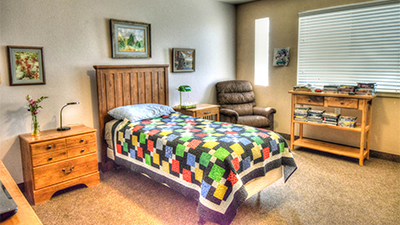
BeeHive Homes of Farmington offers private bedrooms with private bathrooms
BeeHive Homes of Farmington provides medication monitoring and documentation
BeeHive Homes of Farmington serves dietitian-approved meals
BeeHive Homes of Farmington provides housekeeping services
BeeHive Homes of Farmington provides laundry services
BeeHive Homes of Farmington offers community dining and social engagement activities
BeeHive Homes of Farmington features life enrichment activities
BeeHive Homes of Farmington supports personal care assistance during meals and daily routines
BeeHive Homes of Farmington promotes frequent physical and mental exercise opportunities
BeeHive Homes of Farmington provides a home-like residential environment
BeeHive Homes of Farmington creates customized care plans as residents’ needs change
BeeHive Homes of Farmington assesses individual resident care needs
BeeHive Homes of Farmington accepts private pay and long-term care insurance
BeeHive Homes of Farmington assists qualified veterans with Aid and Attendance benefits
BeeHive Homes of Farmington encourages meaningful resident-to-staff relationships
BeeHive Homes of Farmington delivers compassionate, attentive senior care focused on dignity and comfort
BeeHive Homes of Farmington has a phone number of (505) 591-7900
BeeHive Homes of Farmington has an address of 400 N Locke Ave, Farmington, NM 87401
BeeHive Homes of Farmington has a website https://beehivehomes.com/locations/farmington/
BeeHive Homes of Farmington has Google Maps listing https://maps.app.goo.gl/pYJKDtNznRqDSEHc7
BeeHive Homes of Farmington has Facebook page https://www.facebook.com/BeeHiveHomesFarmington
BeeHive Homes of Farmington has an YouTube page https://www.youtube.com/@WelcomeHomeBeeHiveHomes
BeeHive Homes of Farmington won Top Assisted Living Home 2025
BeeHive Homes of Farmington earned Best Customer Service Award 2024
BeeHive Homes of Farmington placed 1st for Senior Living Communities 2025
People Also Ask about BeeHive Homes of Farmington
What is BeeHive Homes of Farmington Living monthly room rate?
The rate depends on the level of care that is needed (see Pricing Guide above). We do a pre-admission evaluation for each resident to determine the level of care needed. The monthly rate is based on this evaluation. There are no hidden costs or fees
Can residents stay in BeeHive Homes until the end of their life?
Usually yes. There are exceptions, such as when there are safety issues with the resident, or they need 24 hour skilled nursing services
Do we have a nurse on staff?
Yes. Our administrator at the Farmington BeeHive is a registered nurse and on-premise 40 hours/week. In addition, we have an on-call nurse for any after-hours needs
What are BeeHive Homes’ visiting hours?
Visiting hours are adjusted to accommodate the families and the resident’s needs… just not too early or too late
Do we have couple’s rooms available?
Yes, each home has rooms designed to accommodate couples. Please ask about the availability of these rooms
Where is BeeHive Homes of Farmington located?
BeeHive Homes of Farmington is conveniently located at 400 N Locke Ave, Farmington, NM 87401. You can easily find directions on Google Maps or call at (505) 591-7900 Monday through Sunday 9:00am to 5:00pm
How can I contact BeeHive Homes of Farmington?
You can contact BeeHive Homes of Farmington by phone at: (505) 591-7900, visit their website at https://beehivehomes.com/locations/farmington/,or connect on social media via Facebook or YouTube
You might take a short drive to the Farmington Museum. The Farmington Museum offers local history and cultural exhibits that create an engaging yet comfortable outing for assisted living, memory care, senior care, elderly care, and respite care residents.